When temperatures drop in Calgary, a car that started perfectly yesterday may refuse to start this morning. You turn the key or press the start button, hear a clicking sound, or notice the engine struggling to turn over. With freezing temperatures and a busy day ahead, a dead battery can quickly become a frustrating problem.
If your car won’t start in cold Calgary weather, a weak battery is one of the first things to investigate. Cold temperatures reduce the power a battery can deliver, while the engine needs more effort to start. An older or undercharged battery is especially vulnerable during an Alberta cold snap.
Before arranging roadside assistance in Calgary, there are a few simple checks you can make. Understanding the warning signs can help you decide whether your vehicle needs a jump start, a battery inspection, or professional towing.
Why Cold Weather Drains Car Batteries
Car batteries rely on chemical reactions to produce the electrical power needed to start an engine. As temperatures fall, these reactions slow down, reducing the battery’s ability to deliver enough starting power.
At the same time, cold engine oil becomes thicker, making the engine harder to turn over. Your battery must work harder at exactly the time when it has less power available.
According to the Canadian Automobile Association, a typical car battery lasts around three to five years, although its actual lifespan depends on its condition, driving habits, maintenance, and climate.
Several factors can make winter battery failure more likely.
An Old or Weak Battery
A battery that is nearing the end of its useful life may keep starting your vehicle during mild weather. But the first serious cold snap can expose its weakness.
If your battery is more than three years old, consider having it tested before winter temperatures become severe. A battery test can reveal declining performance before you become stranded.
Short Trips and Frequent Starts
Repeated short journeys may not give the alternator enough time to replace the energy used during starting. If you often drive short distances, especially in cold weather, your battery may gradually lose charge.
Leaving headlights, interior lights, or other electrical accessories running while the engine is switched off can also drain a battery.
Corroded or Loose Battery Connections
Battery terminals need clean, secure connections to transfer electrical power effectively. Corrosion or loose connections can interfere with starting, even when the battery still holds some charge.
Do not touch or disconnect battery terminals if you are unsure how to inspect them safely. A qualified technician can check the connections and the battery condition.
An Undercharged Battery
A battery that was already partly discharged before a cold spell is more likely to struggle when temperatures fall. This can happen after a vehicle has been parked for a long period, or when the charging system is not working properly.
Cold weather does not automatically mean the battery itself is faulty. Sometimes the real problem is a charging issue that needs further investigation.
Signs Your Battery Is Failing in Winter
Your vehicle may show several warning signs before the battery stops working altogether. Spotting these signs early can help you avoid an unexpected breakdown.
- Slow engine cranking: The engine turns over more slowly than usual when you try to start it.
- Clicking sounds: You hear rapid clicking, or a single click, instead of the engine starting normally.
- Dim headlights: Your headlights or interior lights look noticeably weaker than usual.
- Electrical problems: Power windows, dashboard displays, or other electrical accessories behave strangely.
- Dashboard battery warning: A battery shaped warning light appears while the engine is running, which may point to a charging system problem.
- Repeated starting trouble: Your vehicle struggles to start on several cold mornings, even if it eventually starts.
A battery that is swollen, cracked, leaking, or giving off a rotten egg smell should not be jump started. Keep away from it and seek professional assistance.
These symptoms can also point to problems with the starter motor, alternator, fuel system, or other parts. If your vehicle does not respond to a boost, avoid repeated starting attempts.
What to Check Before You Call for Help
Before calling for help, take a moment to assess what your vehicle is doing. A few basic checks may help you identify the likely cause without putting yourself at risk.
1. Check the Dashboard and Interior Lights
Switch on the headlights, or check whether the dashboard lights up normally.
If the lights are unusually dim, or the electrical systems look weak, the battery may be discharged. But normal lights do not guarantee that the battery has enough power to start the engine.
2. Listen to the Starting Sound
Pay attention to what happens when you try to start the vehicle.
- Rapid clicking may point to a weak battery or a poor electrical connection.
- Slow cranking often points to low battery power or another starting issue.
- A single click can point to a battery, connection, or starter problem.
- Normal engine cranking without the engine starting may point to a fuel, ignition, or other mechanical issue.
These sounds offer useful clues, but they cannot confirm the exact cause on their own.
3. Make Sure the Vehicle Is in Park
For an automatic transmission, confirm that the gear selector is in Park. For a manual transmission, follow the manufacturer’s starting instructions and make sure the vehicle is secured.
If the vehicle still does not start, do not keep turning the key or repeatedly pressing the start button. Repeated attempts can place extra strain on the battery and starter.
4. Look for Visible Battery Problems
If the battery is safely accessible, check visually for obvious damage or corrosion, without touching the terminals.
Never try to boost a visibly damaged, leaking, or possibly frozen battery. Do not use a flame or any other heat source to warm it.
5. Decide Whether a Boost Makes Sense
If the battery looks intact and the symptoms suggest low charge, a jump start may help get the vehicle running.
But jump starting is not suitable for every situation. Follow the vehicle manufacturer’s instructions, use the correct equipment, and check any special requirements for hybrid or electric vehicles. If you are uncertain, contact a qualified roadside assistance provider instead.
For extra guidance, the Canadian Automobile Association’s guide to jump starting a car explains important precautions and considerations.
When to Call for a Jump Start in Calgary
A jump start may be the right call when a discharged battery is stopping an otherwise working vehicle from starting. If you do not have suitable booster equipment, or another safe way to start the vehicle, professional assistance can help.
Consider arranging a jump start service in Calgary when:
- Your engine cranks slowly, or only clicks, when you try to start it.
- Your dashboard lights or other electrical accessories look weak.
- Your vehicle has been sitting outside in freezing temperatures.
- You accidentally left the lights on and the battery has drained.
- You are stranded at home, in a workplace car park, or in another safe location.
Zak Towing provides towing and roadside assistance for drivers who need help with vehicle problems. If a battery boost does not solve the issue, further diagnosis may be needed to find whether the battery, alternator, starter, or another part is responsible.
When a Jump Start Is Not Enough
A successful jump start does not necessarily mean your battery is healthy. If your vehicle starts with a boost but struggles again later, the battery may no longer hold a proper charge.
Other possible causes include a faulty alternator, damaged battery connections, or an electrical fault that keeps draining the battery.
You may need a professional inspection if:
- The vehicle will not start even after a proper boost.
- The battery repeatedly loses charge.
- A battery warning light stays on while driving.
- The engine stops running shortly after the vehicle starts.
- You hear unusual mechanical noises, or notice other warning signs.
In these situations, repeated jump starting may waste time without fixing the real problem.
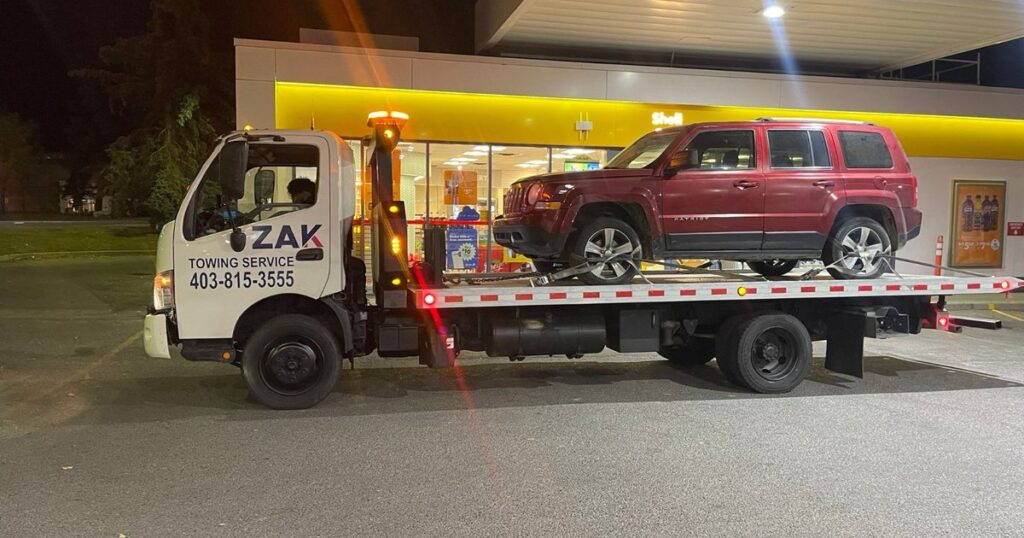
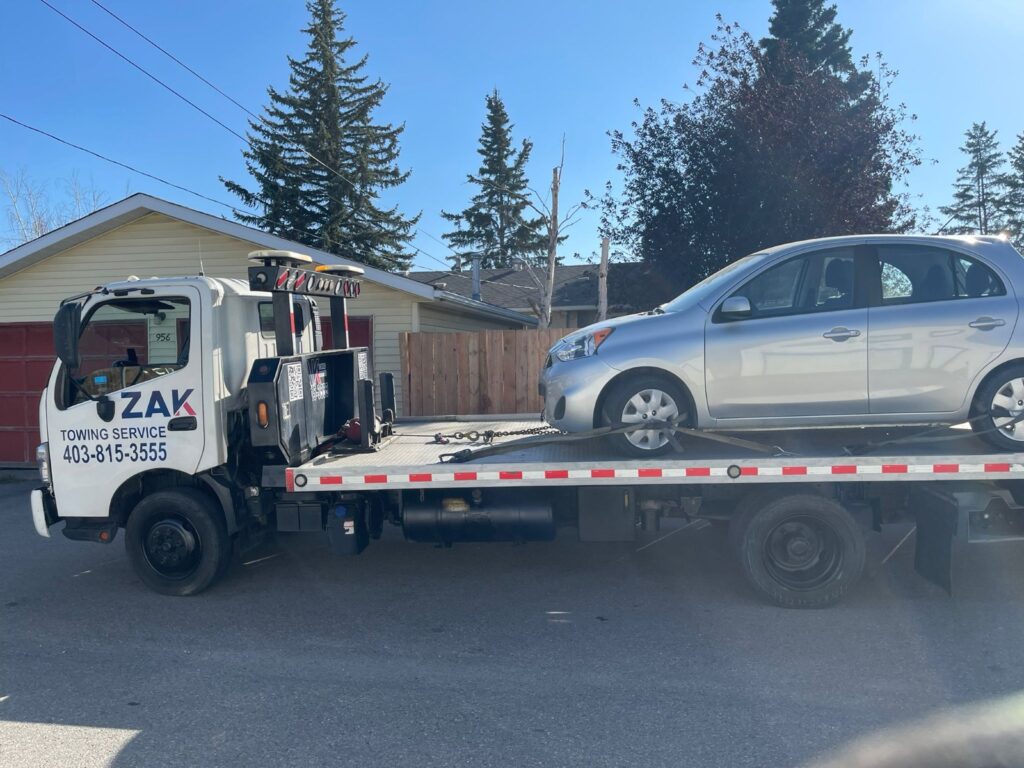
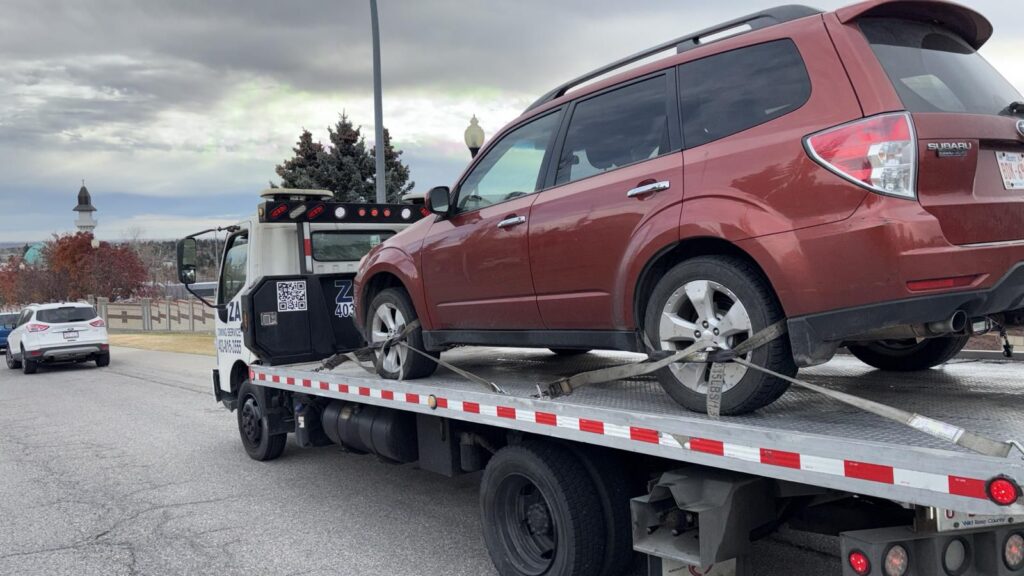
If the car cannot be driven safely, an emergency tow truck may be the better option. Zak Towing offers auto towing and flatbed towing for vehicles that need transport instead of another starting attempt.
What If Your Car Will Not Start Late at Night?
Winter breakdowns do not always happen during business hours. A dead battery can leave you stranded after work, during an early morning commute, or while returning home late at night.
If you need 24/7 roadside assistance, think about your immediate safety first.
Move away from moving traffic if you can do so safely. If your vehicle is on a busy road, or in a dangerous position, stay in a safe place and contact the appropriate emergency services when needed. Keep your phone accessible, and make your location clear when requesting help.
Zak Towing provides towing and roadside assistance for drivers dealing with vehicle trouble. Depending on the problem, the right solution may be a jump start, roadside assistance, or towing to a suitable repair facility.
Drivers looking for 24 hour towing Calgary services should explain whether the vehicle is fully disabled, whether it is in a safe location, and whether there are any special requirements for transporting it.
How to Reduce the Risk This Winter
No battery can be guaranteed to work in every condition, but a few preventative steps can reduce the chance of a cold weather starting problem.
Have Your Battery Tested Before Winter
A battery test can reveal reduced capacity before temperatures fall sharply. This matters most if your battery is several years old, or if you have noticed slow starting.
Keep Battery Connections in Good Condition
Ask a qualified technician to inspect the battery terminals and charging system during routine maintenance. Clean, secure connections help the electrical system work properly.
Avoid Unnecessary Electrical Loads
Switch off lights and accessories when the engine is not running, unless your vehicle’s instructions say otherwise.
Use Your Block Heater When Appropriate
If your vehicle has an engine block heater, use it according to the manufacturer’s guidance and local temperature conditions. A block heater warms the engine, reducing the effort needed to start it in severe cold.
Keep an Emergency Kit in Your Vehicle
Carry warm clothing, a blanket, a flashlight, a phone charger, and other winter essentials. If you regularly travel outside Calgary, plan ahead for delays and changing road conditions.
The Government of Alberta’s winter highway safety guidance offers extra advice on winter vehicle preparation and emergency supplies.
Need Roadside Assistance in Calgary? Zak Towing Can Help
A vehicle that will not start in freezing weather can disrupt your plans and leave you wondering what to do next. If the symptoms point to a weak battery, a jump start may be all that is needed. If the problem involves the starter, charging system, or another mechanical part, further inspection or towing may be needed.
Zak Towing is based at 920 9 Ave SW, Calgary, AB T2P 2T9, Canada, and provides towing and roadside assistance for drivers in Calgary and surrounding communities.
Whether you are dealing with a starting problem in Northwest Calgary, Southeast Calgary, Airdrie, Cochrane, Okotoks, Chestermere, or another service area, explain your location and the symptoms when requesting assistance.
If your vehicle will not start and you need help deciding the next step, contact Zak Towing to discuss the problem and the right service.
Do not let a winter breakdown leave you stranded longer than necessary. Whether you need a car boost in Calgary or a tow to a repair shop, call Zak Towing at (403) 815-3555 for 24/7 assistance with your vehicle.
Frequently Asked Questions
1: Why won’t my car start when it is cold in Calgary?
Cold temperatures reduce a battery’s available starting power, while making the engine harder to turn over. An old, undercharged, or damaged battery may struggle to start the vehicle. Starter motor, alternator, fuel system, and ignition problems can also prevent starting.
2: How do I know if my car battery is dead in winter?
Common signs include slow engine cranking, clicking sounds, dim lights, and electrical accessories that do not work properly. A battery test can help confirm whether the battery is discharged or failing.
3: Can I jump start my car in freezing weather?
A jump start may be possible if the battery is suitable for boosting and the procedure follows the vehicle manufacturer’s instructions. Never jump start a swollen, cracked, leaking, or possibly frozen battery. If you are unsure, seek professional assistance.
4: What should I do if my car still will not start after a jump?
Stop repeated starting attempts and arrange a professional inspection. The battery may be faulty, the charging system may not be working, or the vehicle may have a starter or mechanical problem. If it cannot be driven safely, towing may be required.
5: When should I call roadside assistance instead of trying to fix the problem myself?
Call for roadside assistance if you are stranded in an unsafe location, lack suitable equipment, are uncertain about jump starting, or suspect a fault beyond a discharged battery. Professional help is also right when the battery is visibly damaged, or the vehicle still cannot start.
6: Does Zak Towing provide assistance for vehicles that will not start in Calgary?
Zak Towing provides towing and roadside assistance in Calgary and surrounding areas. Explain your vehicle’s symptoms and location when contacting the business, so the right assistance can be discussed.
7: How can I contact Zak Towing?
Call Zak Towing at (403) 815-3555, any time of day or night. Tell us where you are, what your vehicle is doing, and whether it is in a safe location, so we can send the right help.
Still stuck? Call (403) 815-3555 now and tell us where you are and what your car is doing.